
Sugar √
________________
Avoid
Blood Sugar spike
SUGAR MENU

.

What
to look for
How much
sugar to consume ?
Product Labels
of substitute Sugars
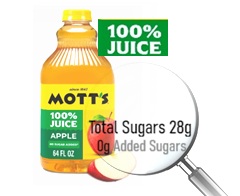
“100% “
does not mean
“no sugar at all“
“All Natural”
does not mean
“no added sugars”
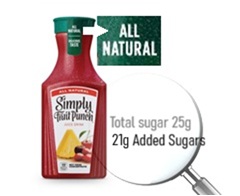
“Added sugar” refers to sugar or sweeteners added to foods during processing.
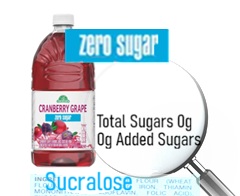
” Zero Sugar”
does not mean
“no sweetener”
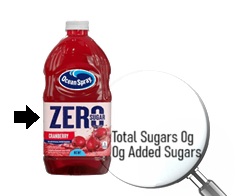
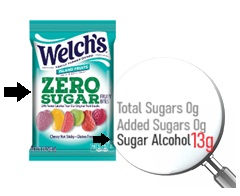
0g Added Sugar generally means one of the following sweeteners is being used.
♦ natural plant sweeteners
♦ artificial sweeteners
♦ or sugar alcohol
.
“Sugar-free”
does not mean
“free of Side-effect”
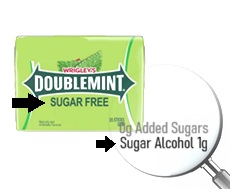
“All Natural”
does not mean
“no added sugars”
“Added sugar” refers to sugar or sweeteners added to foods during processing.
For a healthy diet, follow these guidelines:
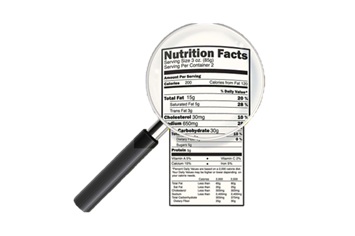
the Nutrition facts label
1 – Note the Serving size
2 – Look for “Added sugars“
……if it’s more than 10g
Reduce “Serving” size
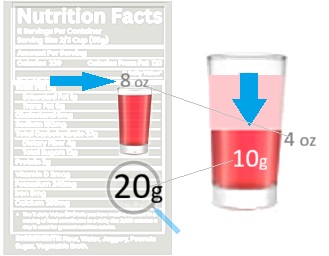
In this sample, eating half the serving size cuts your sugar intake in half.
“Added Sugars” include cane sugar, syrup, dextrose – maltose – sucrose – fructose. The specific sugar would be listed under Ingredients list.
Health Risk
Most of “added sugar” have similar health risks such as spike in blood sugar, weight gain, obesity ,diabetes and heart disease.
“0g added sugars” does not mean “no sugar at all“.
Total Sugars tells you the exact amount of sugar in the product.

” Zero Sugar”
does not mean
“no sweetener”
0g Added Sugar generally means one of the following sweeteners is being used.
♦ natural plant sweeteners
♦ artificial sweeteners
♦ or sugar alcohol
Natural Plant Sweeteners such as stevia and monk fruit present mild to no side effects when used in moderation.
Artificial Sweeteners such as aspartame (equal) • sucralose (splenda ) • saccharine (sweet N low) • Ace-K have side effects that include: bloating, gas, or diarrhea.
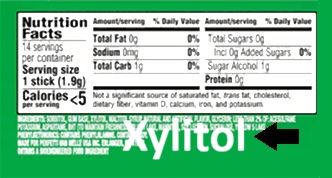
Sugar Alcohol like Xylitol and Erythritol have serious health risks that include: blood clots, heart attacks, and stroke.
What common products use them ?
_________________
Plant-based sweeteners
are some of the healthiest alternatives, but they aren’t always pure in packaged foods. They are often blended with sugar alcohols like Xylitol which has serious side effects.
_________________
Artificial Sweeteners
are often used in Diet sodas, light yogurts, and protein supplements.
________________
Sugar Alcohol
are generally used in sugar-free products such as Chewing Gums, Breath Mints, Cough Syrups, Nasal Spray as well as Protein bars and other Diet products.
________________
The ingredient list specifies exactly which sugar alcohol is being used.
How much sugar to eat ?
.
.
.
RECOMMENDATION
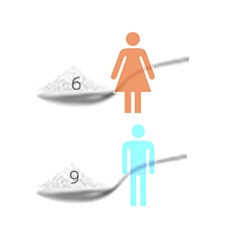
The American Heart Association (AHA)
recommends per day:
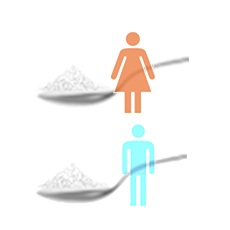
24g or (6) teaspoons for women,
36g or (9) teaspoons
for men
_______________
ADDED SUGAR
Most of the sugar we consume comes from beverages. One can of Coca Cola has (39g) of added sugar which is more than the total sugar recommended for an ENTIRE DAY.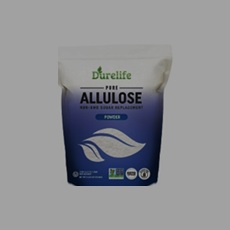
A typical 8-ounce serving of apple juice cocktail contains about 80% of the total sugar recommended per DAY.
_______________
ZERO SUGAR
Zero-sugar (0g), sugar-free, and diet alternatives are marketed as healthy choices. However, some have been linked to serious health risks.
Recent studies have directly linked Xylitol and Erythritol to an increased risk of blood clots, heart attacks, and strokes.
What to look for ?
.If the Man
.
.

that included (like chewing gums, candies, baked goods, and diet sodas) commonly use sugar alcohols like xylitol or erythritol . Research has shown that these sweeteners increase your rick of blood clots heart Attack and stroke.
Xylitol and Erythritol are two of the most common sugar alcohols (polyols) used as sweeteners in products marketed as “zero sugar,” “sugar-free,” or “diet”. [1, 2]
However, They are directly linked to an increased risk of blood clots, heart attacks, and strokes.
Recent studies have directly linked the sugar substitute xylitol to an increased risk of blood clots, heart attacks, and strokes.
Zero sugar and sugar-free products (like chewing gums, candies, baked goods, and diet sodas) commonly use sugar alcohols like xylitol or erythritol . Research has shown that these sweeteners increase your rick of blood clots and Stroke
Protein bars primarily use sugar alcohols, artificial sweeteners, natural zero-calorie sweeteners, or real food sweeteners to achieve a sweet taste without the high calorie and sugar counts of traditional candy bars. [1, 2, 3]
Common everyday products that frequently use xylitol include:
- Oral Care: Toothpaste, mouthwash, and certain nasal sprays.
- Confectionery: Sugar-free chewing gum, breath mints, hard candies, and gummies.
- Medications & Supplements: Cough syrups, chewable vitamins, and some fiber supplements.
- Food Items: Baked goods, “skinny” ice creams, and some sugar-free nut or peanut butters.
- Baking Sweeteners: Granulated xylitol sold in bulk for home baking.
You can check official FDA advisories regarding xylitol safety and
the average Apple juice cocktail has about 80% of the added Sugar recommended
Xylitol and Erythritol are used in many Zero sugar and sugar-free products such as Chewing Gums, Breath Mints, Cough Syrups, Nasal Spray as well as Protein bars and other Diet products.
________
ADDED SUGAR
The amount of Added sugars is listed under the Nutrition Facts label.
Sugar Alcohol such as Xylitol, Erythritol are listed as 0g in the Nutrition Facts label.
Xylitol and Erythritol are used in many Zero sugar and sugar-free products such as Chewing Gums, Breath Mints, Cough Syrups, Nasal Spray as well as Protein bars and other Diet products.
A typical 8-ounce serving of apple juice cocktail has about 80% of the sugar recommended per day
The average Apple Juice Cocktail has about 80% of the sugar recommended per day
A typical 8-ounce serving of apple juice cocktail has about 80% of the Added Sugar recommended per day
Some manufacturers offer a zero sugar alternative. However, some have side effects that are very
While some zero-sugar alternatives are considered safe, others have been linked to potential side effects ranging from mild (like gastrointestinal distress) to more seriousdangerous.
Xylitol and Erythritol are often used as sweeteners in products marketed as “zero sugar,” “sugar-free,” or “diet”
The “Zero Sugar” Label: This usually means the product contains artificial sweeteners (like aspartame, sucralose, or ace-K) or sugar alcohols (like erythritol or xylitol). [1, 2, 3, 4, 5]
Safety vs. Side Effects: Major agencies like the U.S. Food and Drug Administration (FDA) categorize most sugar substitutes as safe for the general public, but multiple studies show they are not entirely without risk. [1]
Potential Dangers: Recent research has linked certain sugar alcohols (like erythritol) and artificial sweeteners (like sucralose) to inflammation, increased blood-clotting risks, and DNA damage
If there is no Nutrition Facts panel, look at the list of ingredients. Sugar has many other names. Besides those ending in “ose,” such as maltose or sucrose, other names for sugar include high fructose corn syrup, molasses, cane sugar, corn sweetener, raw sugar, syrup, honey or fruit juice concentrates
Punchy & Direct: “While ‘Zero Sugar,’ ‘sugar-free,’ and ‘diet’ products are marketed as healthy options, they can trigger adverse effects ranging from mild discomfort to severe long-term health issues
It’s tempting to look to alternative sugars, which often can be perceived as healthier choices than plain white sugar. Don’t be fooled. Added sugar is added sugar no matter what it is called. Check out the ingredients lists for these added sugars:
To achieve the expected sweetness without crossing that 0.5-gram threshold, manufacturers typically use alternative ingredients . These generally fall into two categories recognized by the FDA : [1, 2]
- High-Intensity Sweeteners: Artificial sweeteners (like Aspartame and Sucralose) and natural plant extracts (like Stevia and Monk Fruit) . These are usually not classified as traditional sugars because they provide zero or very few calories and generally do not raise blood sugar levels . [1, 2, 3, 4, 5]
- Sugar Alcohols: Sweeteners like Erythritol, Xylitol, or Sorbitol . While chemically distinct from traditional sugars (and thus not classified as such by the FDA), they still provide some bulk and sweetness. [1, 2, 3, 4, 5]
It is helpful to be aware that “zero sugar” is distinctly different from “no added sugar” . Products with “no added sugar” may still contain high amounts of natural sugars (like lactose in milk or fructose in fruit) . [1, 2]
“Zero Sugar“, “sugar free”, “diet” are marketed as healthy choices. However, they have side effects ranging from mild to serious.
.

Sugar √
Best Sugar to use. Benefits and side effects.
______________
We recommended … based on ongoing research.

Stevia
Natural Sweetener
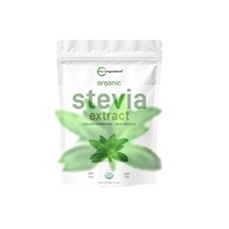
Stevia come from the Stevia plant (from South America). It has zero-calorie and does not raise blood sugar.
Good for Diabetes
We
recommend
100 % Stevia Leaf Extract without additive like
ERYTHRITOL
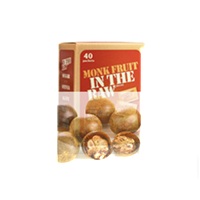
Monk Fruit
Natural Sweetener
Monk fruit comes from a small melon from Southern China. It has zero-calorie and does not raise blood sugar.
Good for Diabetes
We
recommend
100% pure Monk Fruit without additive like ERYTHRITOL.

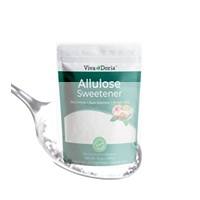
Allulose
“rare sugar”
Allulose is classified as a safe natural sweetener by the FDA, despite being mass-produced in a factory. It is calorie-free and it will not raise blood sugar.
Good for Diabetes
We cautiously
recommend it
____________
Allulose is relatively new, it has good reviews both for taste and health benefits. However more studies are needed before you can give it the “green light”.
common sugar…White sugar alternative are not drastically better than people think.
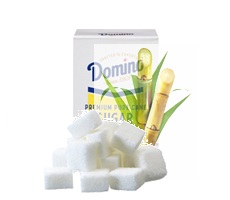
White
Sugar
White Sugar is extracted from sugar cane, but it is highly refined and has no health benefits. It also raises Blood Sugar.
Bad for Diabetes
Consuming too much white sugar increases your risk of obesity • diabetes • heart disease • tooth decay
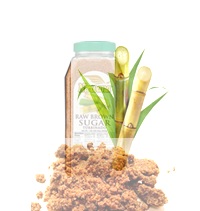
Brown
Sugar
Brown Sugar is basically sugar cane mixed with a tiny amount of molasses. They both raise blood Sugar at the same rate.
Bad for Diabetes
Consuming too much brown sugar increases your risk of obesity • diabetes • heart disease • tooth decay
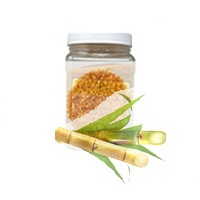
Turbinado
Sugar
Turbinado sugar is a processed raw cane sugar with traces of minerals. It raises blood sugar in the exact same way as white and brown sugar
Bad for Diabetes
Consuming too much turbinado sugar increases your risk of obesity • diabetes • heart disease • tooth decay
________________
Natural sugar doesn’t necessarily mean Healthier.
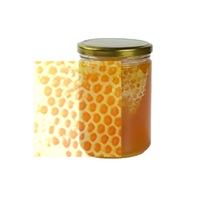
Honey
Pure, raw Honey contains vitamins, minerals, and flavonoids. It causes a slower rise n blood sugar compared to white and brown sugar.
Bad for Diabetes
Consuming too much honey increases your risk of obesity • diabetes • heart disease • tooth decay
Never give honey to infants under 12 months old
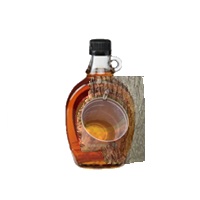
Maple Syrup
sweetener
Pure maple syrup comes directly from the sap of maple trees. It’s rich in antioxidants and minerals. However, it still causes a rise in blood sugar, but slower than white or brown sugar.
Bad for Diabetes
Consuming too much maple syrup increases your risk of obesity • diabetes • heart disease • tooth decay
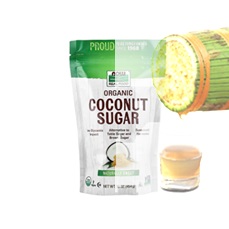
Coconut
Sugar
Coconut sugar comes from sap of coconut palm tree.
It is high in calorie but, it causes a slower rise in blood sugar compared to white and brown sugar.
Bad for Diabetes
Consuming too much Coconut sugar increases your risk of obesity • diabetes • heart disease • tooth decay

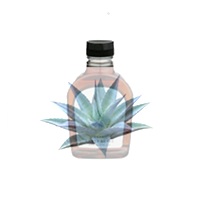
Agave Nectar
sweetener
Agave nectar comes from the core and sap of the agave plant. It is high in calorie but it causes a slower rise of blood sugar compared to white or brown sugar.
Bad for Diabetes
Consuming too much Agave Nectar can lead to liver disease • weight gain • diabetes • heart disease • tooth decay • increase in LDL bad cholesterol
______________
Artificial Sweeteners have risks ranging from mild to very serious.
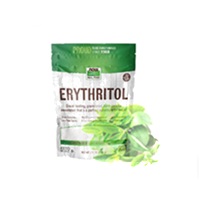
Erythritol
Sugar Alcohol
Erythritol is mass-produced in a factory. It has zero-calorie and it does not raise blood sugar. Erythritol also prevents cavities.
Cleveland Clinic researchers found Erythritol raise the risk of blood clots • heart attacks • strokes •
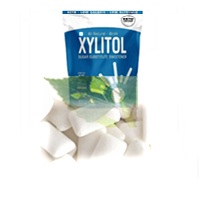
Xylitol
Sugar Alcohol
Erythritol is mass-produced in a factory. It is low in calorie and causes only a minor rise of blood sugar.
Cleveland Clinic researchers found that Xylitol raise the risk of blood clots • heart attacks • strokes.

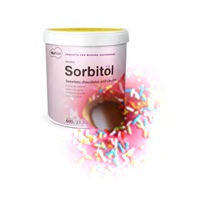
Sorbitol
Sugar Alcohol
Sorbitol is mass-produced in a factory. It is low in calorie and causes only a minor rise of blood sugar.
Good for diabetes
(digestive issues)
so far bloating, stomach cramps, and diarrhea are the only side effects that have been reported.
_______________
Artificial Sweetener
Splenda
Artificial Sweetener
Splenda (SUCRALOSE) is created in a laboratory. It has zero-calorie and it will not raise blood sugar
Good for Diabetes
(artificial sweetener)
A study in 2016 has found incidence of cancer in male mice exposed to SUCRALOSE. However many health organizations confirm the findings do not apply to humans.
Equal
Artificial Sweetener
Equal (ASPARTAME) is created in a laboratory, It has zero-calorie and it will not raise blood sugar.
Good for Diabetes
(artificial sweetener)
In 2023 *(WHO) liked aspartame to cancer. The *(FDA) maintains that ASPARTAME is safe for the general population when consumed within the recommended daily limits.
WHO= World Health Organization
FDA= Food and Drug Administration
Sweet N Low
Artificial Sweetener
Sweet N low (SACCHARIN) is created in a laboratory. It has zero calorie and it will not raise blood sugar.
Good for Diabetes
(artificial sweetener)
A Study in the 1970s linked high doses of SACCHARIN to bladder cancer. However, it was later determined that the finding was relevant to rats and did not apply to humans.
__________________
Liquid Sweetener

High fructose
corn syrup
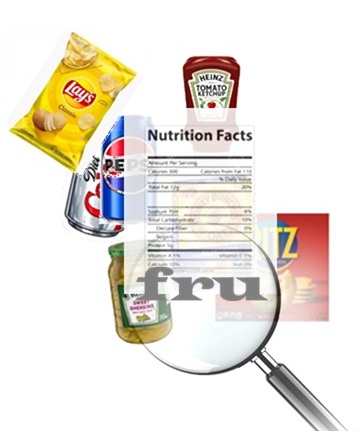
High-fructose corn syrup (HFCS) is a lab-created sweetener used to enhance flavor and prolong shelf life.
HFCS is used in many brands such Coca Cola, Pepsi as well as most processed foods like Ketchup, yogurt, cereal, breads and much more.
Consuming too much HFCS increases your risk of obesity • diabetes • heart disease • liver Disease • high Cholesterol
High-fructose corn syrup appears in the ingredients list below the Nutrition Facts label.
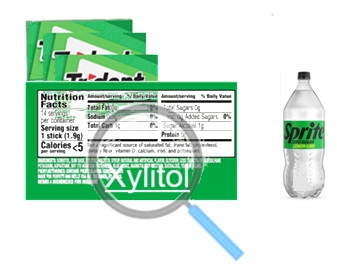
sugar-free
Labels promoting ‘ZERO SUGAR’ or ‘SUGAR-FREE’ often rely on artificial sweeteners or sugar alcohols. While these can help manage calorie or blood sugar, they aren’t automatically a healthier choice.
Research has linked Xylitol and Erythritol to a higher risk of stroke • blood clots and • heart attacks
Read the ingredients list below the NUTRITION FACTS LABEL to find out which sweetener being used .
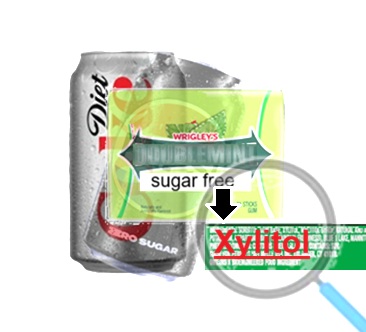
Hidden
Sweeteners
Sodas, Dairy products, Chewing gums, even Medications have Sweeteners hidden behind their “healthy” labels. Often, the side effects are worst than than actual sugar.
Xylitol and Erythritol sides effects include stroke • heart attack • blood clots according to the Cleveland Clinic.
Read the ingredients list below the NUTRITION FACTS LABEL to find out which sweetener being used .
FDA
S
_________________
learn more
.
.
Always read the ingredient list and look for SUCRALOSE (Splenda) – ASPATAME(Equal) – SACCHARIN (Sweet N Low) – ERYTHRITOL – XYLITOL – SORBITOL – HIGH FRUCTOSE CORN SYRUP… then uncover their side effects on the list above.//
for example SUGAR FREE Chewing Gun
usually have, Xylitol, Erythritol. While they do prevent tooth decay, their sides effects include stroke heart attack, and blood clots according to the Cleveland Clinic.
.

Look in the ingredient list for SUCRALOSE (Splenda) – ASPATAME(Equal) – SACCHARIN((Sweet N Low) -ERYTHRITOL – XYLITOL – HIGH FRUCTOSE CORN SYRUP among the most common.
Sodas, Dairy products, Medications have Sweeteners hidden behind attractive labels such as: SUGAR FREE • ZERO CALORIE • LOW CALORIES • DIET
_____________________________
Before buying any product,
1) Read the nutrition facts
2) Go to the list above to uncover their sides effects.
Allulose. Make sure it’s pure Stevia without additive like ERYTHRITOL.
Aspartame is an artificial (chemical) sweetener widely used in various food and beverage products since the 1980s, including diet drinks, chewing gum, gelatin, ice cream, dairy products such as yogurt, breakfast cereal, toothpaste and medications such as cough drops and chewable vitamins.
Would you like to know which of these sweeteners are typically considered the best alternatives for diabetics, or are you looking to avoid a specific type of sweetener in your diet?
Stevia: TIME
Indigenous Guaraní peoples in South America have used the stevia plant (ka’a he’e) as a natural sweetener for over 1,500 years. Modern commercial use began in the early 1970s when Japan first started cultivating and extracting the plant’s glycosides to replace artificial sweeteners
2008 & 2011: The U.S. FDA and the European Food Safety Authority (EFSA) granted approval for high-purity stevia extracts. [1, 2, 3, 4, 5]
Monk fruit
Monk fruit as a plant has been cultivated for centuries. Its extract was first officially recognized as a safe food additive in the U.S. in 2010. [1, 2]
010: The U.S. Food and Drug Administration (FDA) granted the extract “Generally Recognized as Safe” (GRAS) status, paving the way for its modern explosion in commercial food and beverage products. [1, 2]
Present Day: It is now permitted in over 60 countries, though it is still classified as a novel food awaiting full approval in the European
Monk fruit extract was first approved by the FDA in January 2010
High-Purity Mogroside Extracts: Unapproved. Concentrated, high-intensity extracts and powders do not yet have a blanket approval as a sweetener. While the EU has authorized specific aqueous extracts in limited food categories, widespread use of potent monk fruit extracts as a primary sugar substitute awaits further industry toxicological assessments
Allilose
Allulose has been on the market for about 11 years, having been commercially introduced to consumers in 2015. Although the rare sugar was first discovered in the 1940s, mass-production methods were not developed until the 1990s, and it wasn’t widely available until manufacturers figured out how to lower production costs. [1, 2, 3, 4]
The FDA initially accepted Generally Recognized as Safe (GRAS) status for allulose as a sugar substitute in June 2012. Later, in October 2019, the FDA issued draft guidance allowing manufacturers to exclude allulose from total and added sugar declarations on Nutrition Facts labels. [1, 2]
AI Overview
As of 2026, allulose has not yet been approved for sale as a food ingredient in the European Union or the United Kingdom. It is still classified as a “novel food,” requiring official authorization from the European Commission and safety validation by the European Food Safety Authority (EFSA) before it can be legally sold. [1, 2, 3, 4]
TASTE
Stevia
Stevia is a zero-calorie, plant-based sugar substitute that is 200 to 400 times sweeter than table sugar. Unlike sugar’s immediate, clean sweetness, stevia has a slower onset, lingers on the palate, and frequently carries a distinct, somewhat bitter or licorice-like aftertaste. [1, 2, 3, 4]
Monk Fruit
Monk fruit is a zero-calorie, zero-glycemic natural sweetener extracted from the Siraitia grosvenorii fruit, native to southern China. While pure monk fruit extract is 100 to 250 times sweeter than table sugar, store-bought brands like Lakanto Monk Fruit Sweetener often mix it with other agents for easy cup-for-cup sugar replacement. [1, 2, 3, 4, 5]
Monk Fruit: Delivers a sweet, clean taste that many users find very similar to regular table sugar. However, it can have a mild, sometimes fruity or caramel-like aftertaste, depending on the blend.
Allulose
Allulose tastes remarkably similar to real table sugar, offering a clean, straightforward sweetness with no bitter aftertaste or cooling sensation. The main difference is that it is only about 70% to 80% as sweet as sugar, meaning you will need slightly more of it to reach your desired sweetness
Sweetness Intensity: Because it is less sweet, you may need to use roughly \(\frac{1}{4}\) more allulose than sugar in your recipes to get the same level of sweetness. [1]
No Aftertaste: Unlike Stevia (which can be bitter) or erythritol (which often leaves a cold, minty aftertaste), allulose tastes almost exactly like real sugar. [1, 2]
Baking & Browning: Unlike artificial sweeteners, allulose actually melts, caramelizes, and browns just like real sugar. [1, 2]
STEVIA has been used for 1,500 years . Modern commercial use began in the early 1970s. Stevia is now approved by U.S. FDA and the European Food Safety Authority (EFSA)
A more specific price breakdown highlights the contrast between the two:
Monk Fruit Extract: Costs approximately $0.30 per ounce. [1, 2, 3]
Allulose: Can cost around $0.50 per ounce, as it is a “rare sugar” produced through complex enzymatic conversion.
liquid Monk fruit drops are often preferred.
For cold beverages, liquid stevia drops are often preferred.
liquid Monk fruit drops are often preferred.
liquid Allulose are often preferred.
“Labels promoting ‘zero sugar’ or ‘sugar-free’ often rely on artificial sweeteners or sugar alcohols. While these can help manage calorie or blood sugar intake, they aren’t automatically a healthier choice.
“Labels promoting ‘zero sugar’ or ‘sugar-free’ often rely on artificial sweeteners or sugar alcohols. While these can help manage calorie or blood sugar intake, they come with their own set of potential side effects—like digestive distress or metabolic changes—meaning they aren’t automatically a healthier choice.”

